
Discover Chongqing
PRAI 2027 will be held in Chongqing, China, on August 15-17, 2027. Known as the "Mountain City" (山城), Chongqing is the largest municipality in southwest China and one of the country's most vibrant and photogenic destinations. We look forward to welcoming you here.
1. About Chongqing
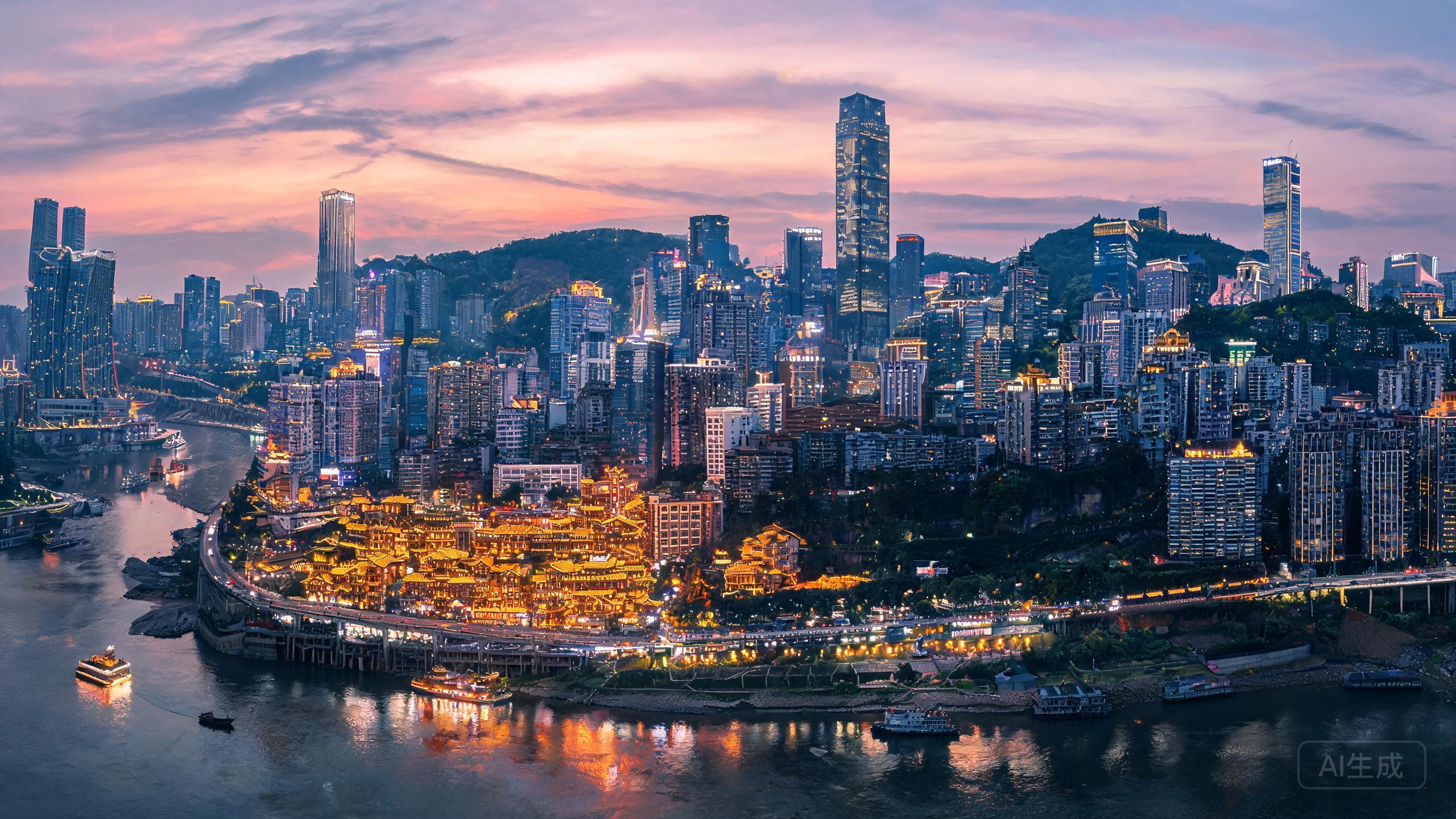
Chongqing is a direct-administered municipality with more than 30 million residents, sitting at the confluence of the Yangtze River (长江) and the Jialing River (嘉陵江). Built on steep hills, the city is famous for its dramatic terrain — buildings rising along mountain slopes, roads crossing bridges and even passing through buildings — which earned it the nickname "the 8D Magic City". Chongqing is also an important historical city: it was the wartime capital of China during World War II and carries a rich Ba-Yu (巴渝) cultural heritage. Today it is a major economic, transportation and technological hub of western China.
2. Top Attractions
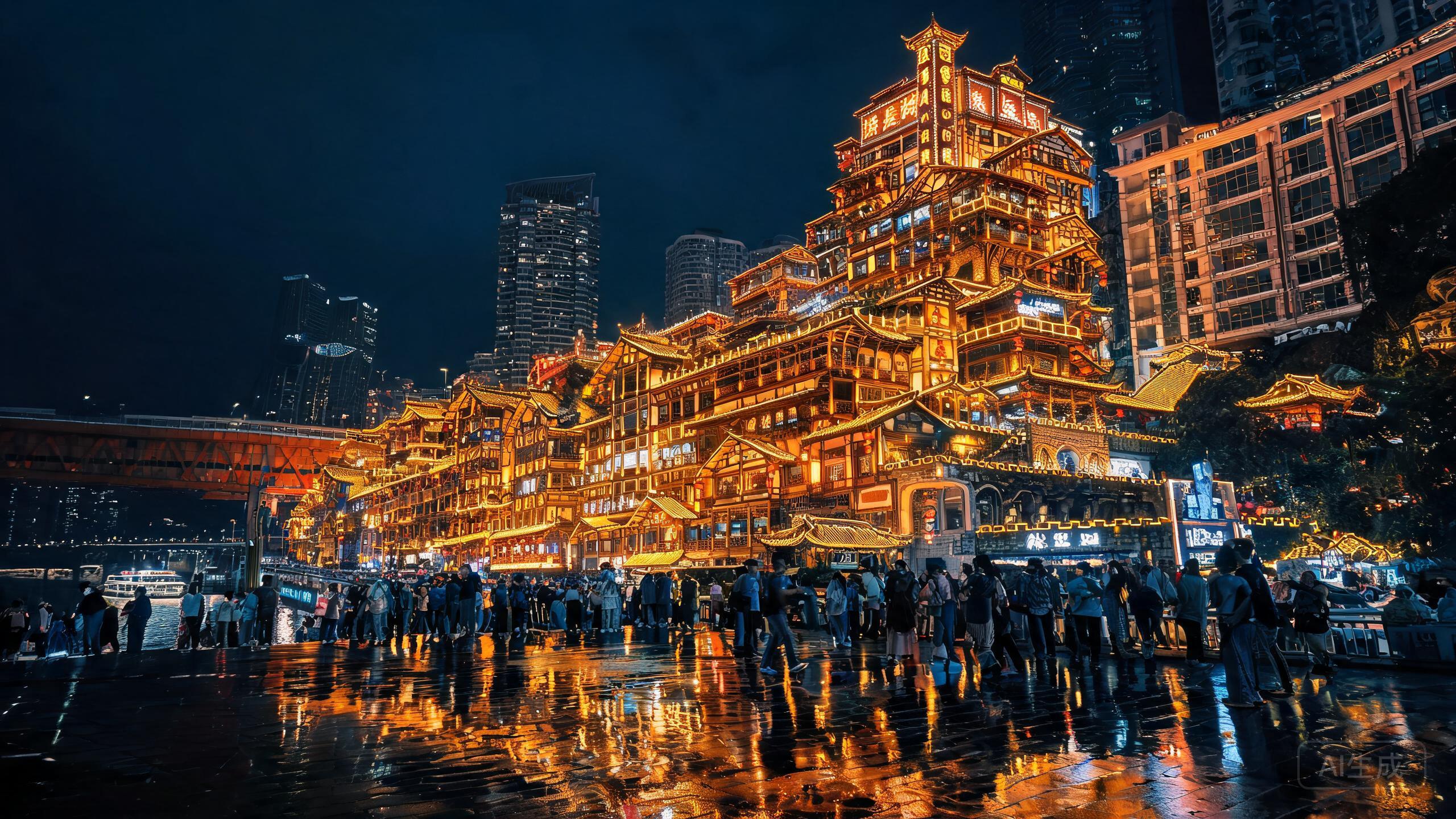
- Hongya Cave (洪崖洞) — a stilted-building complex glowing with golden lights at night, resembling the scenes of the film "Spirited Away".
- Jiefangbei CBD (解放碑) — the landmark People's Liberation Monument surrounded by the city's busiest shopping and food streets.
- Yangtze River Cableway (长江索道) — a cable car crossing the Yangtze River with panoramic views of the "Mountain City" skyline.
- Ciqikou Ancient Town (磁器口) — a well-preserved Ming-and-Qing-style town with teahouses, craft shops and local snacks.
- Chaotianmen Dock & Raffles City (朝天门) — where the two rivers meet, crowned by a striking horizontal skyscraper.
- Wulong Karst (武隆天生三桥) — a UNESCO World Natural Heritage site with giant natural stone bridges, about two hours from downtown.
- Dazu Rock Carvings (大足石刻) — a UNESCO World Heritage site of exquisite Buddhist grotto art dating back to the Tang and Song dynasties.
- Three Gorges (长江三峡) — world-famous river scenery; cruise journeys start from Chongqing along the Yangtze.
3. Local Food
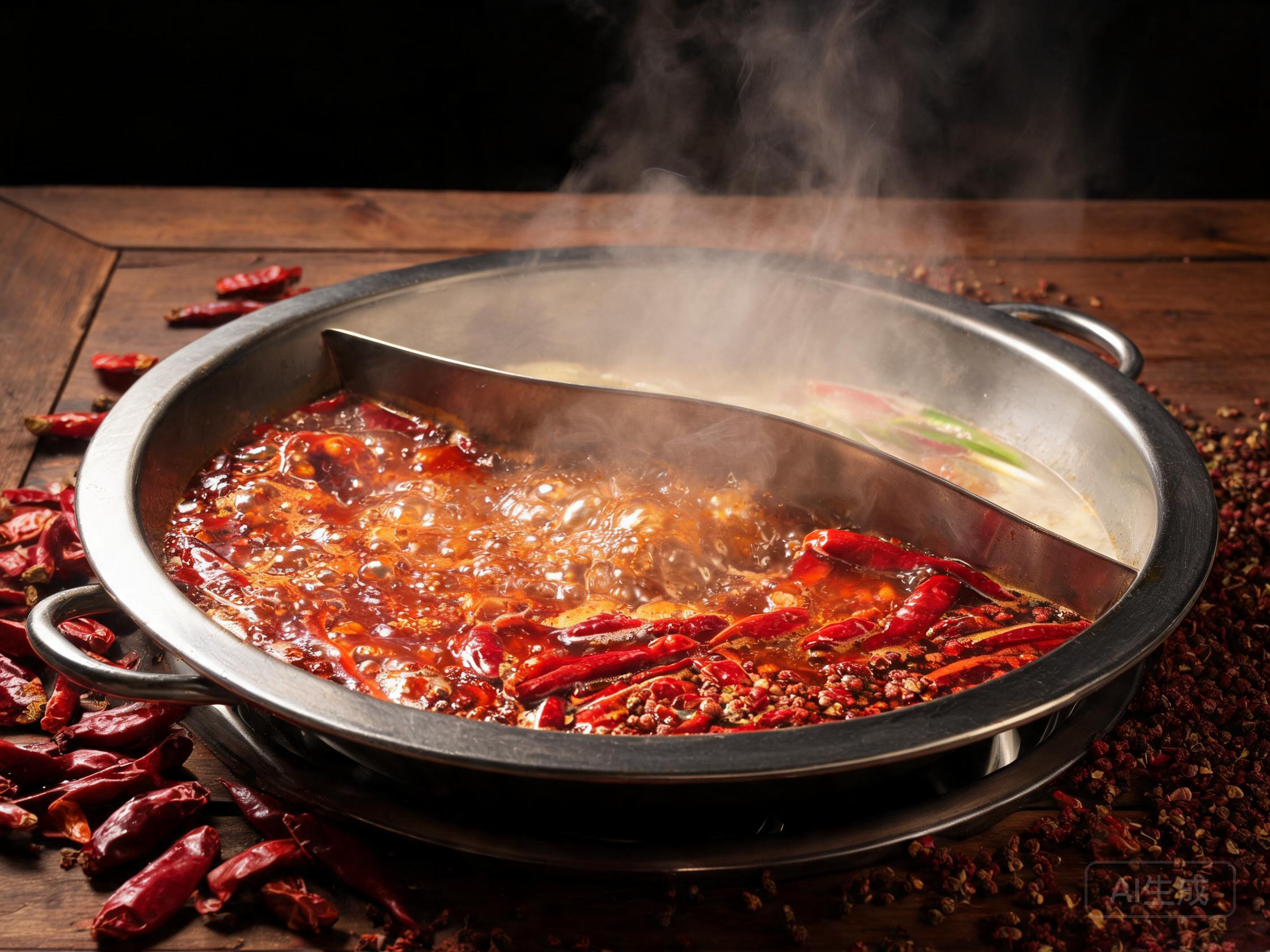
Chongqing is the birthplace of the world-famous Chongqing Hotpot (重庆火锅) — a bubbling pot of fiery beef-tallow broth with Sichuan peppercorns, offering the signature "numbing and spicy" (麻辣) flavour. Do not miss Chongqing Xiaomian (重庆小面), a bowl of spicy noodles beloved by locals for breakfast, as well as street snacks such as suanlafen (酸辣粉, hot and sour glass noodles). For those who prefer milder food, most restaurants also serve non-spicy options such as the split mild-and-spicy pot (鸳鸯锅) and steamed river fish.
4. Travel Tips
- Weather: August in Chongqing is hot (usually 28-38°C). Bring light clothes, an umbrella for sun and showers, and stay hydrated.
- Getting around: the metro network covers major attractions and the airport; taxis and ride-hailing apps are inexpensive. Navigation apps may struggle with the 3D terrain — follow metro exit signs.
- Payment: mobile payment (WeChat Pay / Alipay) is widely used; international cards can be linked to these apps. Cash is accepted in most places.
- Visa: international participants please check the visa guidance on the Useful Information page.
- Language: locals speak Chongqing dialect and Mandarin; translation apps are helpful in small restaurants and shops.
For questions about travel and the conference, please contact praiconf@outlook.com. More details about the venue and accommodation will be updated on this page.